

Key Discussion: The Role of News in Upholding Truth Amidst the Information Overload
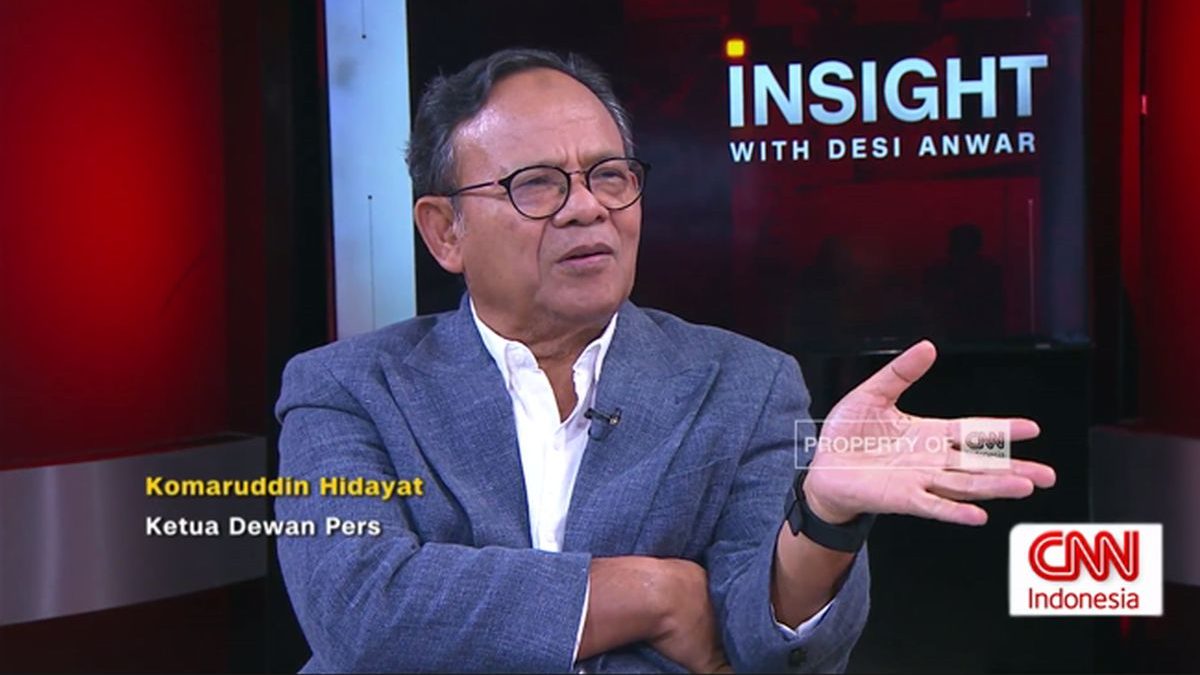
Kabarberita911.com – In the current era of rapid information dissemination, the importance of accurate news reporting has become more critical than ever. As social media platforms and digital news channels flood the public with content, maintaining the integrity of journalism remains a central challenge. Ketua Dewan Pers, Komaruddin Hidayat, emphasizes that news must serve as a beacon of truth, guiding society through the complexities of modern communication. In a recent Key Discussion session during the Insight with Desi Anwar episode titled “Kebebasan Pers di Tengah Banjir Informasi,” Hidayat delves into the ethical responsibilities of journalists and the need for independent reporting to preserve democratic values. The video, available at https://youtu.be/dEBkQmy4m3c, highlights how misinformation can distort public perception and undermine trust in media. This Key Discussion also addresses the growing pressure on news organizations to prioritize engagement over factual accuracy, a trend that demands careful scrutiny.
The Importance of Accurate News in the Digital Age
With the rise of digital platforms, the speed at which news spreads has outpaced the ability of fact-checkers to verify its authenticity. Komaruddin Hidayat underscores that the core mission of journalism is not merely to inform but to ensure that information is grounded in truth. “Berita harus bertajuk pada kebenaran,” he states, stressing that accuracy should be the cornerstone of every news report. This Key Discussion explores how the Press Council is adapting to these challenges, urging journalists to uphold rigorous standards despite the allure of sensationalism. The session also touches on the role of media literacy among the public, as informed audiences are better equipped to discern credible sources from misleading content.
Key Discussion: Ensuring Truth in Journalism
During the Key Discussion, Hidayat raises concerns about the proliferation of unverified information that has blurred the lines between facts and opinions. He highlights the need for journalists to prioritize objectivity, citing examples of how fake news has influenced political decisions and social movements. “The foundation of democracy relies on transparent and reliable information,” he argues, adding that the Press Council plays a pivotal role in safeguarding this foundation. The episode also features discussions on the ethical dilemmas faced by reporters, such as the balance between speed and accuracy in breaking news scenarios. These insights make the Key Discussion a valuable resource for understanding the evolving landscape of media responsibility.
Another key theme in the discussion is the importance of editorial independence. Hidayat points out that news organizations must resist external pressures, whether political or commercial, that might compromise their integrity. He shares observations about how some media outlets prioritize clickbait headlines over substantive content, a practice that risks eroding public trust. “In a Key Discussion, we must ask: What is the purpose of news today?” he challenges, urging the audience to reflect on the broader implications of media bias. The session further explores strategies for fostering transparency, such as implementing stricter editorial guidelines and promoting collaboration between journalists and fact-checking institutions.
“Berita yang benar adalah berita yang memberikan kejelasan, bukan sekadar memancing reaksi atau mengisi kekosongan informasi,” ujar Hidayat dalam Key Discussion terbarunya. Ia menegaskan bahwa kebenaran dalam laporan harus diutamakan, terlepas dari popularitas atau dampak sementara dari berita yang tidak otentik.
The Key Discussion also examines the impact of misinformation on democratic processes. Hidayat notes that in times of political uncertainty, false narratives can sway public opinion and influence election outcomes. He advocates for a proactive approach by the media to combat this issue, suggesting that journalists must take ownership of their role as truth-seekers. “We cannot leave the responsibility of truth to the public alone,” he says. The episode concludes with a call to action for media professionals to recommit to ethical journalism, ensuring that their work remains a reliable pillar in society. This Key Discussion serves as a timely reminder of the enduring importance of accurate reporting in an increasingly fragmented information environment.