
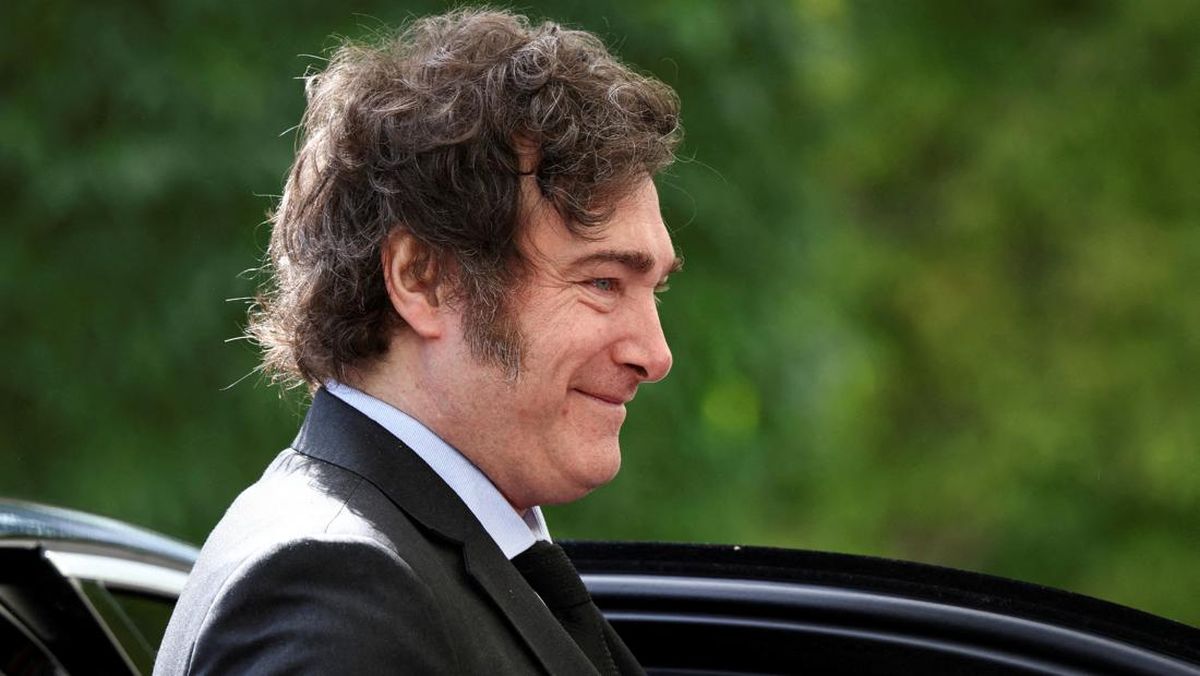
What Happened During Argentina’s World Cup Final: Presiden Mileni’s Unique Ritual
What Happened During the highly anticipated World Cup final between Argentina and Spanyol on July 19, 2026, saw an unusual decision by Presiden Argentina, Javier Milei. Instead of attending the match at Stadion MetLife in East Rutherford, New York, as is customary for world leaders, Milei opted to watch from his official residence in Olivos. This move, rooted in his belief in klenik (traditional superstitious practices), sparked widespread curiosity and discussion among fans and analysts. The what happened during the event became a focal point of media coverage, as the president’s choice reflected a blend of personal conviction and cultural tradition.
The Roots of Milei’s Superstition
What Happened During the match was not just about the game itself but also about Milei’s mindset. Known for his unorthodox approach to leadership, the president has long adhered to klenik rituals, which he believes influence outcomes. His decision to stay home was not made lightly; it was part of a broader strategy to ensure the best possible conditions for the Argentina team. According to Milei, the what happened during the first game of the tournament had already proven the efficacy of this method. He emphasized that the what happened during the event must be carefully observed to avoid any disruption to the team’s flow.
“Saya akan tetap menonton pertandingan dari Olivos, seperti pada hari pertama,” kata Milei.
This statement, made during a press conference with El Observador, highlighted his unwavering confidence in the ritual. Milei argued that the what happened during the first match had demonstrated the power of his approach, making it a cornerstone of his strategy. For him, the what happened during the event was not just a game but a symbolic moment where tradition and leadership intertwined.
Klenik and the Role of Tradition in Football
Milei’s belief in klenik extended beyond personal habits. He claimed that the what happened during the game against Swiss had been a turning point, reinforcing his conviction that certain rituals must be followed. “Setelah melepas baju itu, mereka mencetak gol ke gawang kami,” he said, pointing to the significance of his YPF jersey as a jimat (amulet). This what happened during the match, he explained, was a lesson in how tradition could shape both player and fan behavior. By wearing the jersey, Milei felt he was contributing to the team’s morale, ensuring they had the right energy for the final.
The what happened during the tournament also highlighted the growing influence of cultural practices in high-stakes sports. While some criticized Milei’s choice as overly cautious, others praised it as a smart move that aligned with the nation’s heritage. The president’s insistence on maintaining his routine underscored the importance of personal rituals in a leader’s mindset, even in the most critical moments of a global event. This what happened during the final was a microcosm of his philosophy: blending the old with the new to achieve success.
Political Implications and Public Reaction
Despite the ceremonial nature of his presence, Milei’s decision was not without political undertones. He had previously offered to use the Casa Rosada, the presidential palace, as a venue for the team if they won the tournament, a gesture intended to distance himself from any perceived favoritism. However, the what happened during the final raised questions about his commitment to the team. While he remained steadfast in his belief, some fans expressed disappointment, feeling that a leader should be more visibly involved in such a pivotal moment.
“Dalam keadaan apa pun, saya akan tetap menonton dari Olivos,” tambah Milei.
His response to these concerns was firm, reiterating that the what happened during the event was essential to his strategy. The president’s dedication to klenik rituals, even in the face of criticism, demonstrated his unique leadership style. This what happened during the final became a case study in how personal beliefs can shape public perception and strategic decisions in sports.
A Deeper Analysis of the Ritual’s Impact
The what happened during the final was not merely an anecdote but a reflection of broader trends in football culture. Many athletes and coaches have adopted similar superstitious practices, from wearing lucky socks to avoiding certain locations. Milei’s decision to stay home was part of this tradition, albeit with a political twist. By linking his personal routine to the team’s performance, he created a narrative that resonated with both the public and the players. This what happened during the event also sparked debates about the role of leadership in football, with some arguing that presence on the field is more important than ritualistic practices.
Additionally, the what happened during the final underscored the importance of emotional support in sports. While physical presence in a stadium is often seen as a symbol of solidarity, Milei’s remote participation was interpreted as a way to provide psychological reassurance. This what happened during the event, therefore, was a testament to the power of belief in shaping the outcomes of even the most critical matches. The president’s choice became a unique chapter in the history of the World Cup, highlighting the intersection of tradition, leadership, and sports.
Legacy of the Final: A New Tradition?
As the what happened during the final unfolded, it became clear that Milei’s approach was not just about luck but about creating a new tradition. His actions set a precedent for future leaders, showing that even in the most prestigious events, personal rituals can play a significant role. The what happened during the match was a reminder that culture and history are integral to sports, influencing strategies and outcomes in unexpected ways. This what happened during the event will be remembered not only for its competitive drama but also for its symbolic meaning in the context of Argentina’s football heritage.